Curriculum Overview
Outlines the structure, goals, and key features, providing a summary of Wonderwood educational philosophy.

Each week’s lesson plans follow the same structure to BUILD children’s knowledge:




.png)
Last week, we explored construction and the systems people design to support modern life. This week, we shift our focus to machines that help us build, move, and lift with greater power and efficiency.





Last week, children explored the invisible forces like gravity, friction, and magnetism that shape life on Earth. This week, we’ll take those same ideas beyond our planet to see how things work in space, when they’re no longer on Earth.
.png)
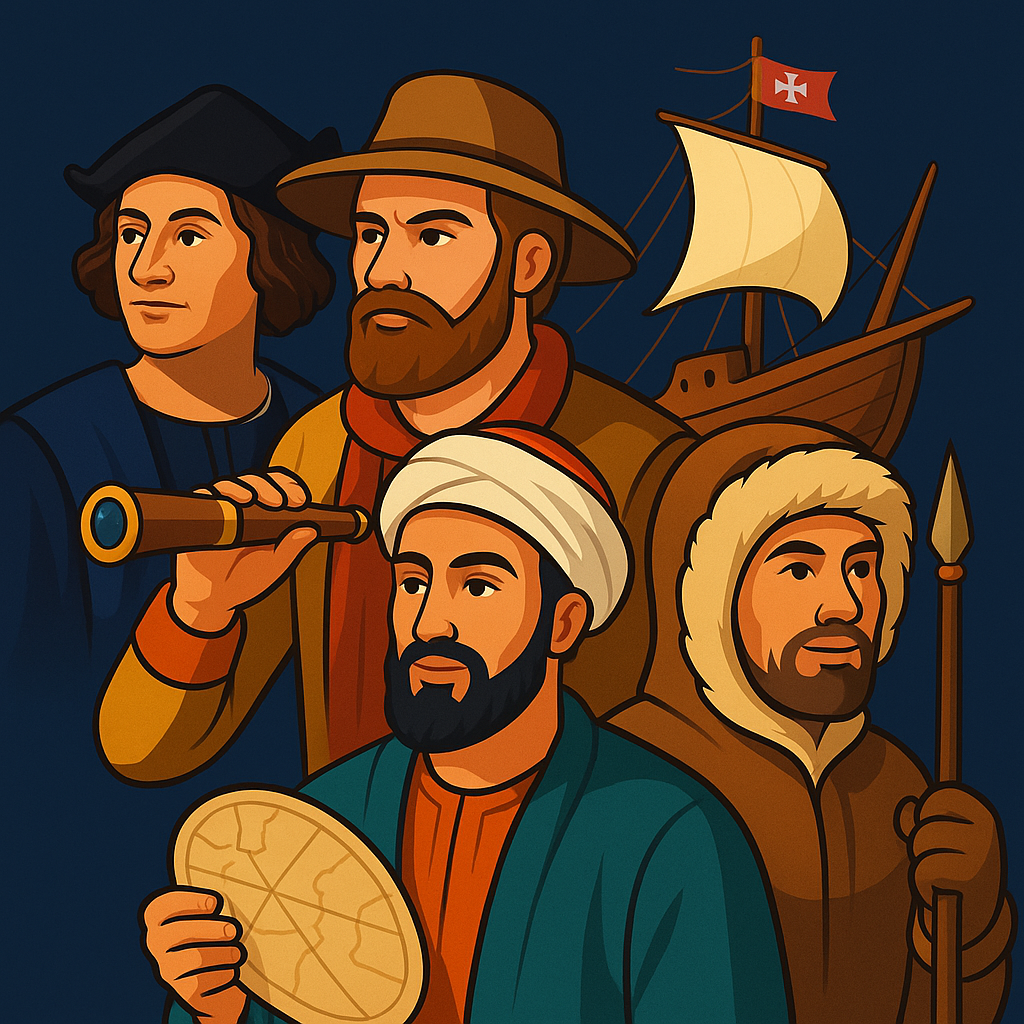
This week, children will discover how people use knowledge of natural patterns such as the
weather, the wind, stars, currents, and skies to explore the wider world.
Children will learn that explorers were careful observers who combined curiosity with tools and technology to find their way. They’ll study how navigation depends on understanding
geography, wind, and weather; experiment with simple mapping and direction-finding; and
reflect on how discovery has always been powered by wonder and knowledge.



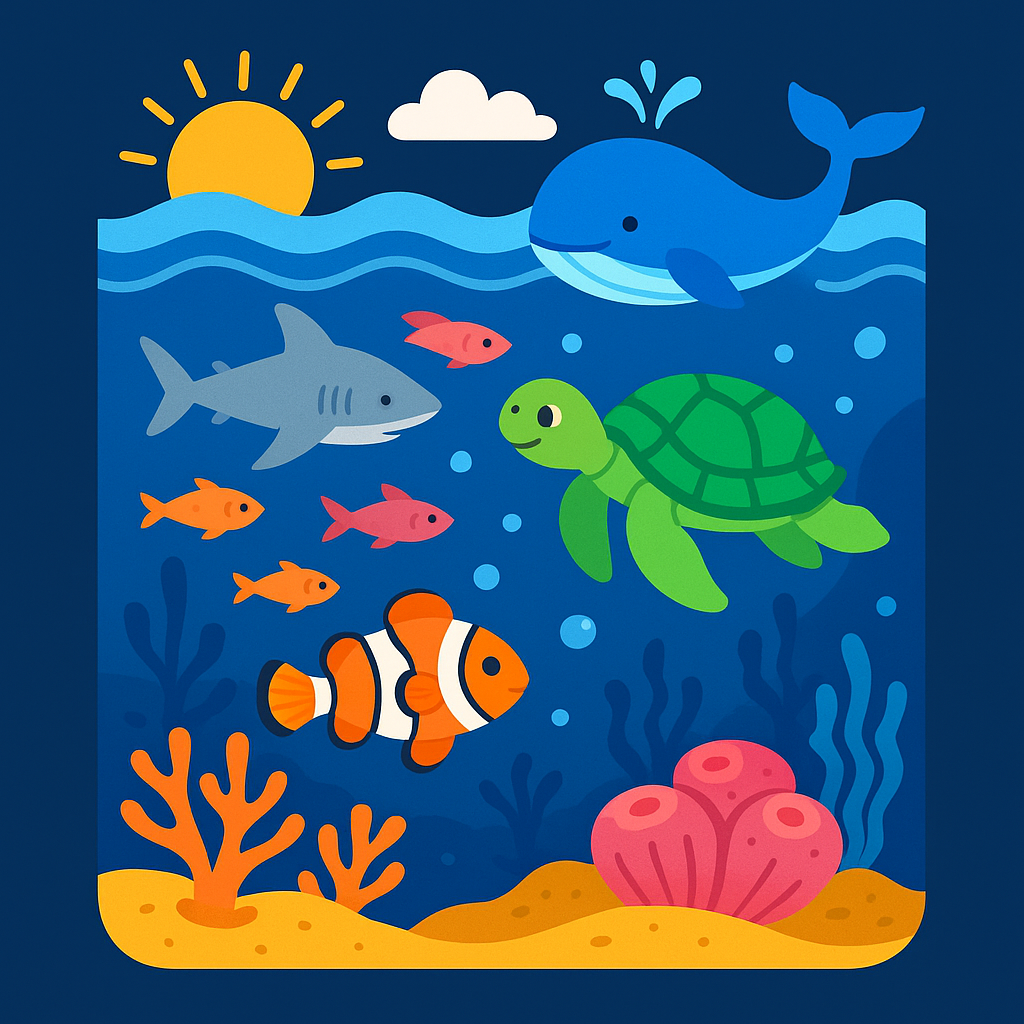

In the previous week, children explored oceans as vast systems that impact our life on Earth.
They also store secrets of ancient Earth on the seafloor. This week, children turn their attention
to the ground they walk on to study rocks as records of Earth’s history.
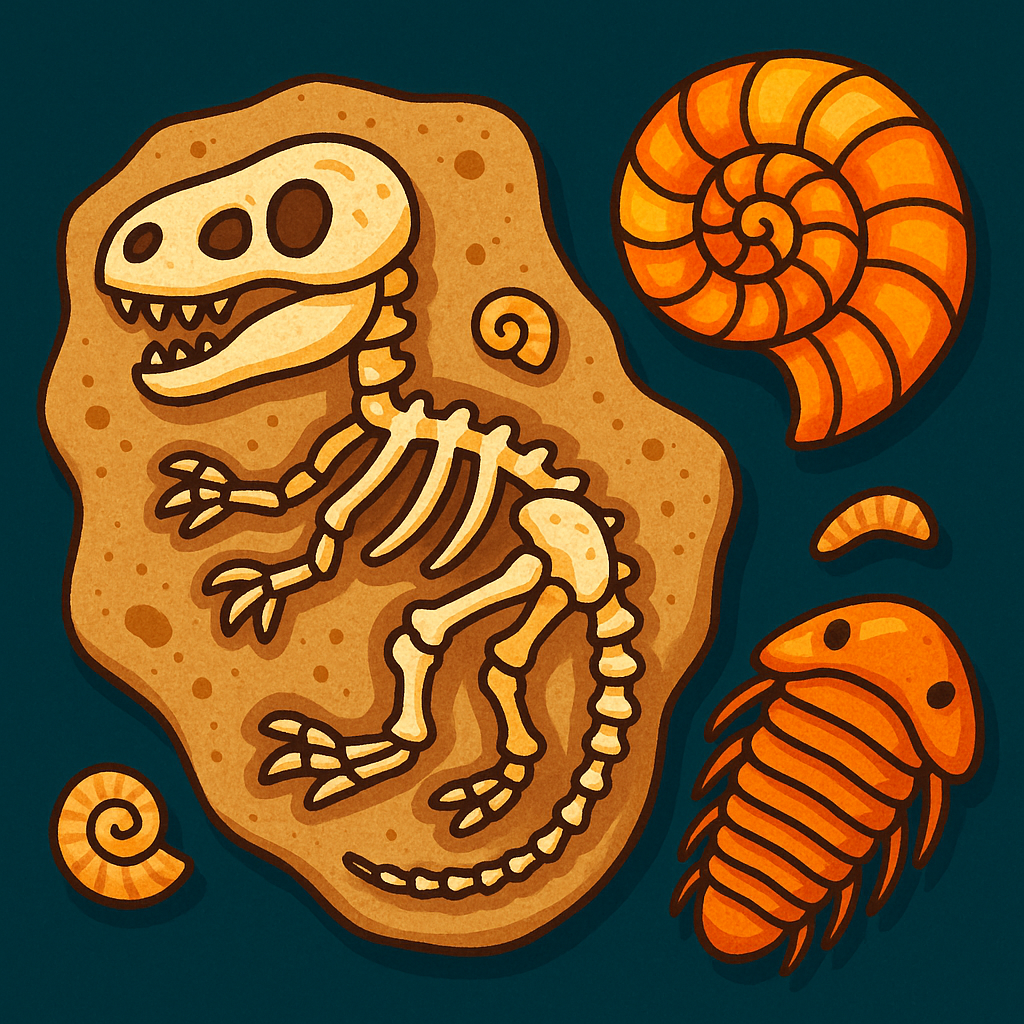
Children will learn that rocks are the result of powerful processes over time. They will investigate the three major rock types: igneous, sedimentary, and metamorphic, and connect each type to the conditions that formed it. Through observation, comparison, and modeling, children will begin to see how heat, pressure, water, wind/weathering, movement, and time transform Earth’s
materials.
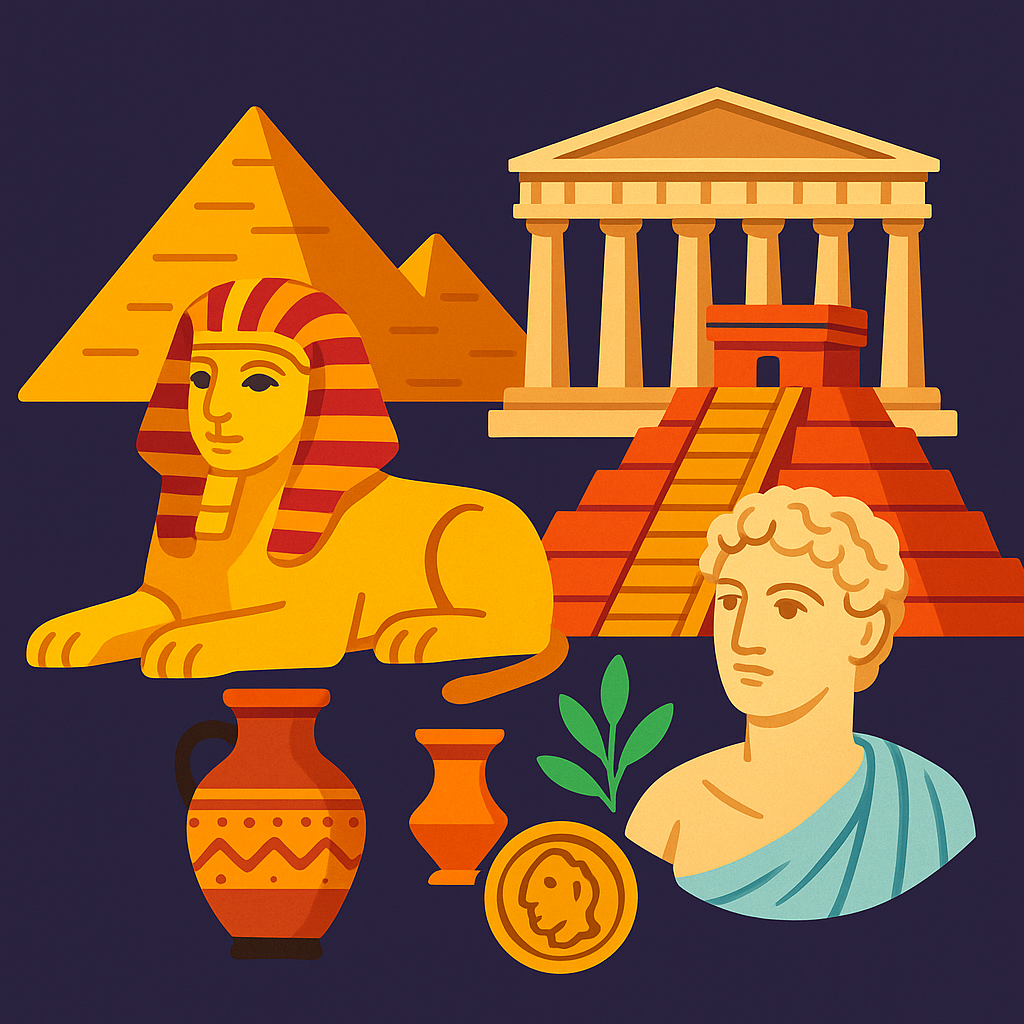
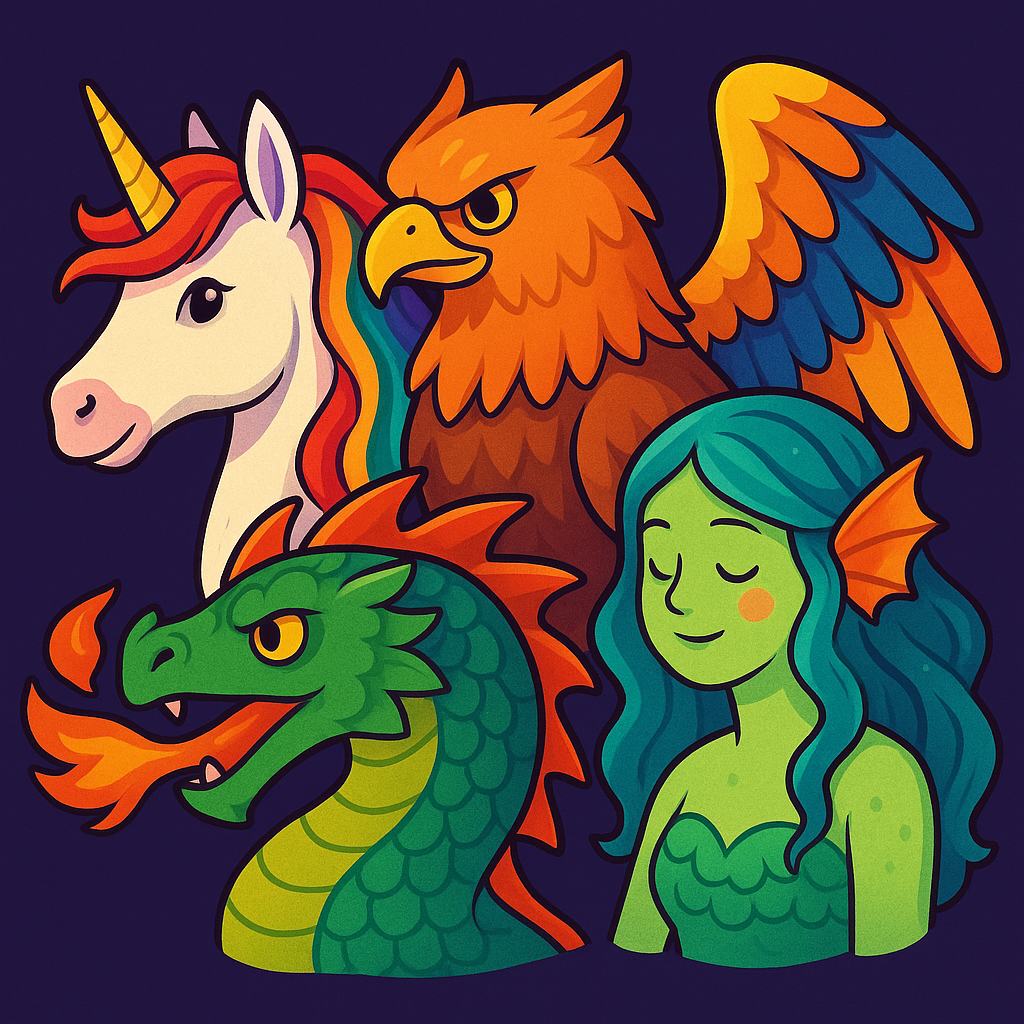
Last week, children learned that civilizations grow where knowledge accumulates and this week they will explore another powerful form of knowledge: story.
Across cultures, humans have created myths and mythical creatures to explain natural forces, human emotions, danger, beauty, fear, and hope. Before scientific explanations of storms, seasons, oceans, and earthquakes, stories gave meaning to the unknown. While these stories were not scientifically precise, they did create emotional, symbolic, and cultural truths.
Using their knowledge from previous weeks (e.g., forces, weather, oceans, cycles), children will analyze what myths and mythical creatures reveal about what people know and believe to be true in different cultures. Throughout the week, children will consider how something can feel meaningful and “real” even when it is not physically observable. This prepares children for next week’s exploration of money and value by asking: What makes something valuable?


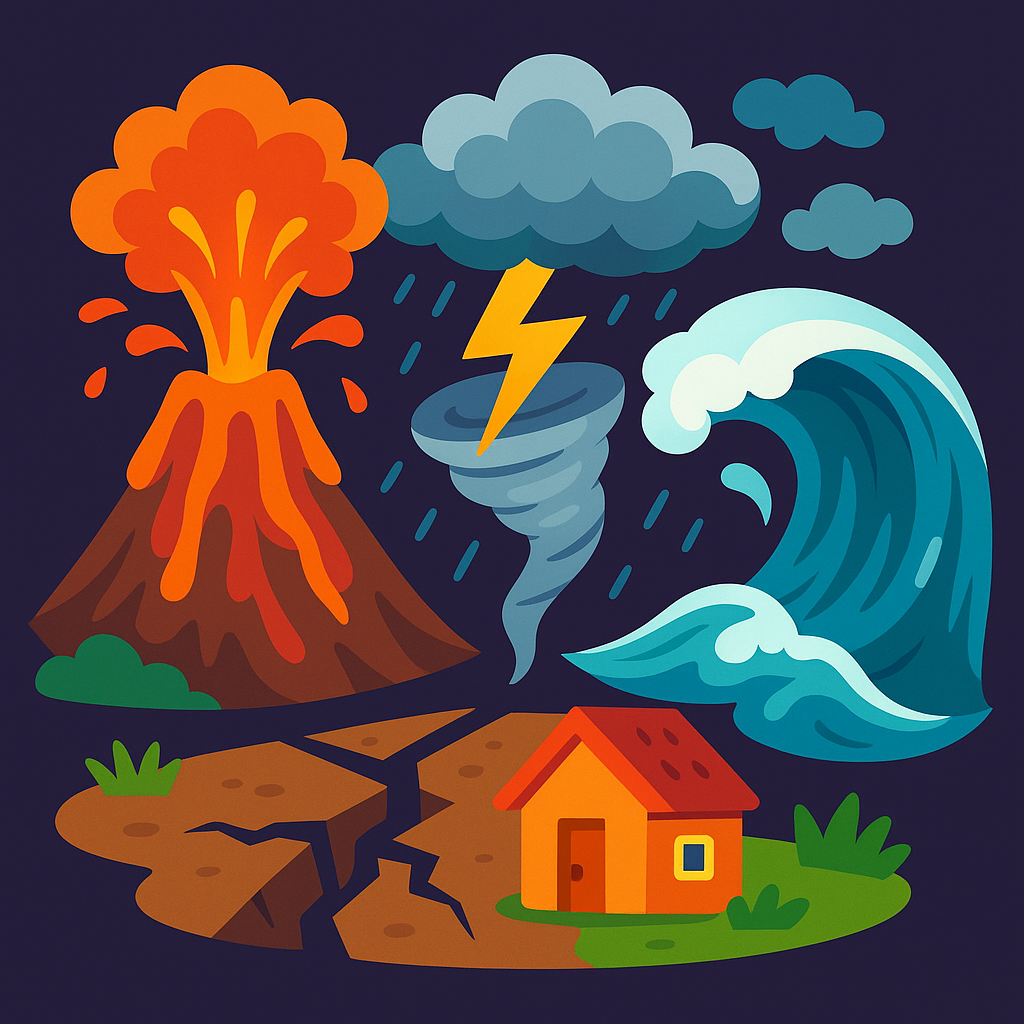
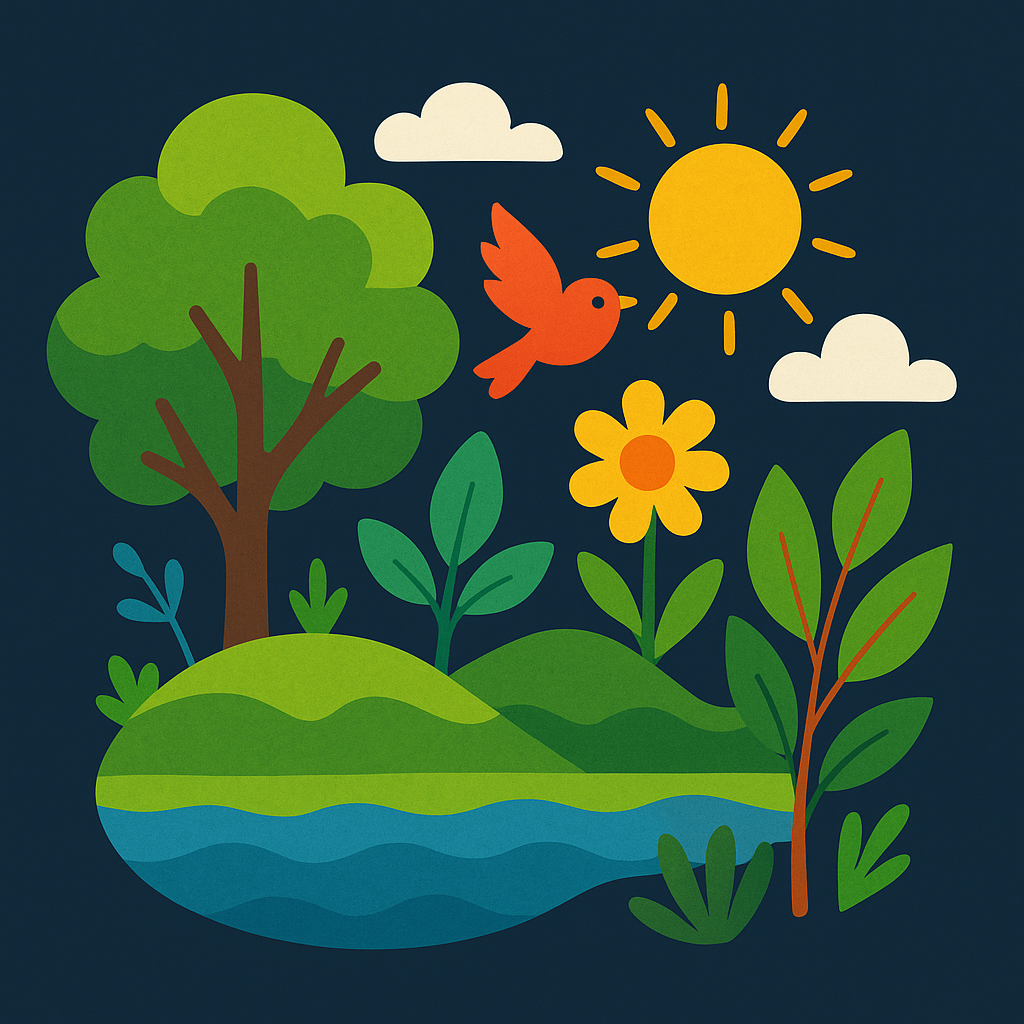
Children have explored how powerful natural systems can reshape the Earth through sudden and dramatic events. This week, they shift their perspective to see nature not just as something that happens to us, but as a system we are part of.
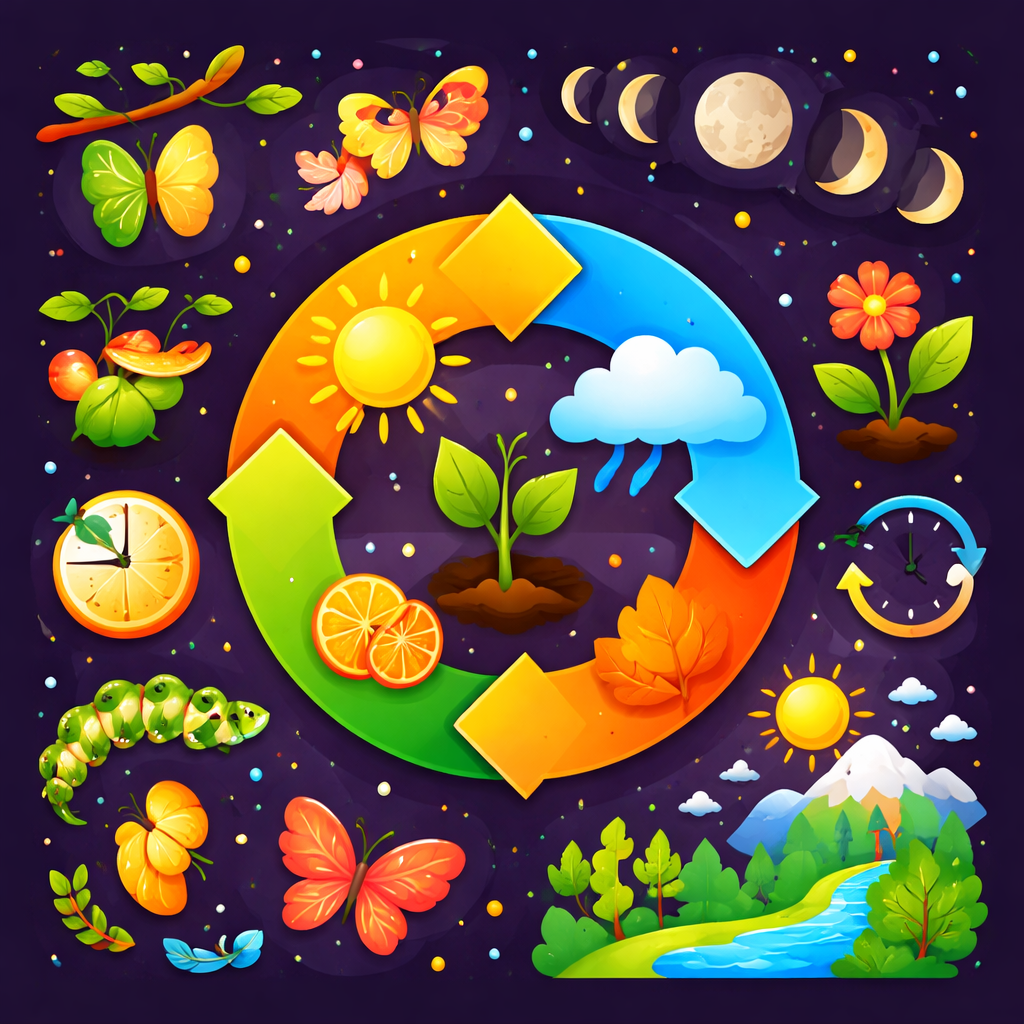
Children will observe how nature is constantly changing—through seasons, weather, and living
systems—and how humans must adapt to those changes. They will explore how people live
differently depending on their environments, including how homes, clothing, and food are
shaped by climate and natural resources.
Across the week, children will consider ideas of balance and stewardship. They will revisit
ecosystems and cycles, connecting how disruptions (like natural disasters) fit within larger patterns of renewal and change. By the end of the week, children will begin to see that living with nature requires awareness, adaptation, and responsibility.
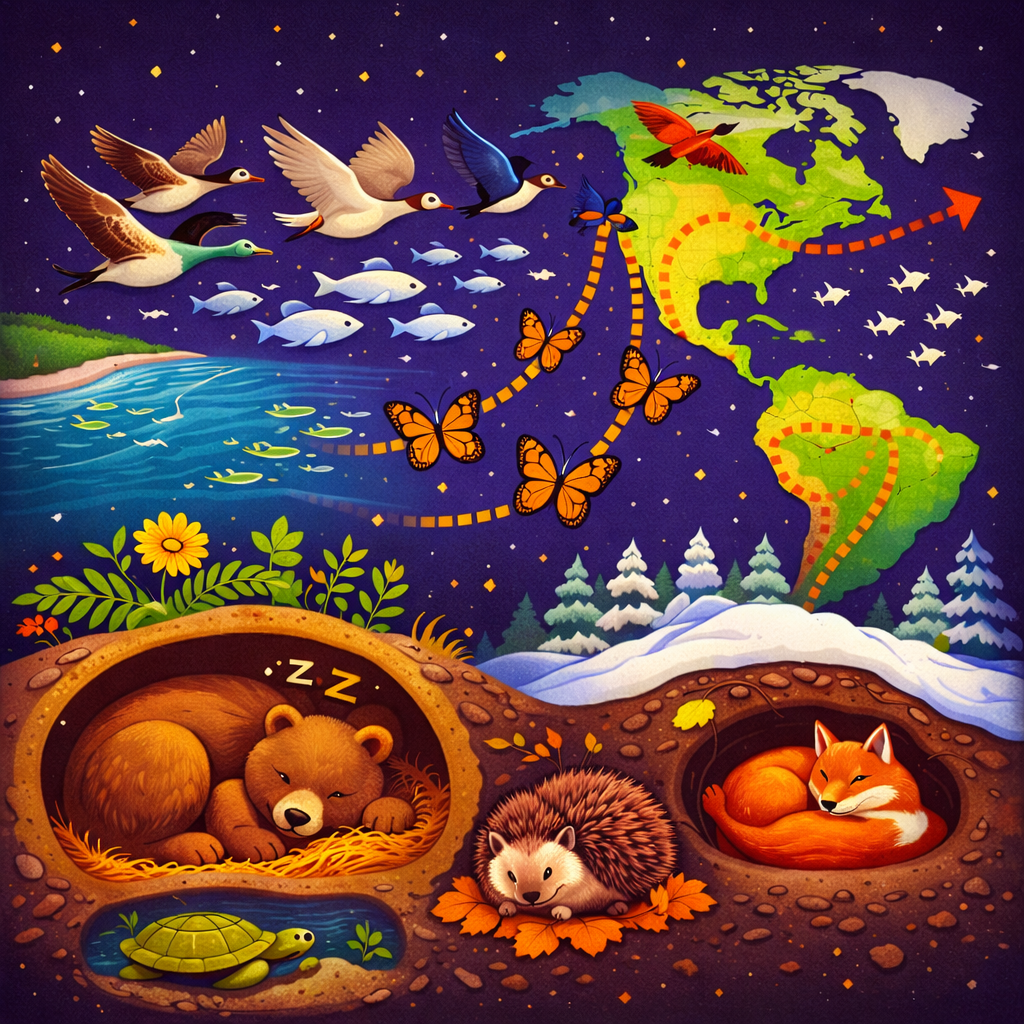
Children have been exploring how we live with nature and how all living things must adapt to
changing environments. This week, we will turn our attention to how animals respond specifically to seasonal changes.
Children will investigate migration patterns in animals such as birds, whales, and insects,
noticing how and why animals travel long distances in response to shifting conditions.
They will also explore hibernation as a different survival strategy, examining how some animals conserve energy by slowing their bodies and resting during times when food is scarce
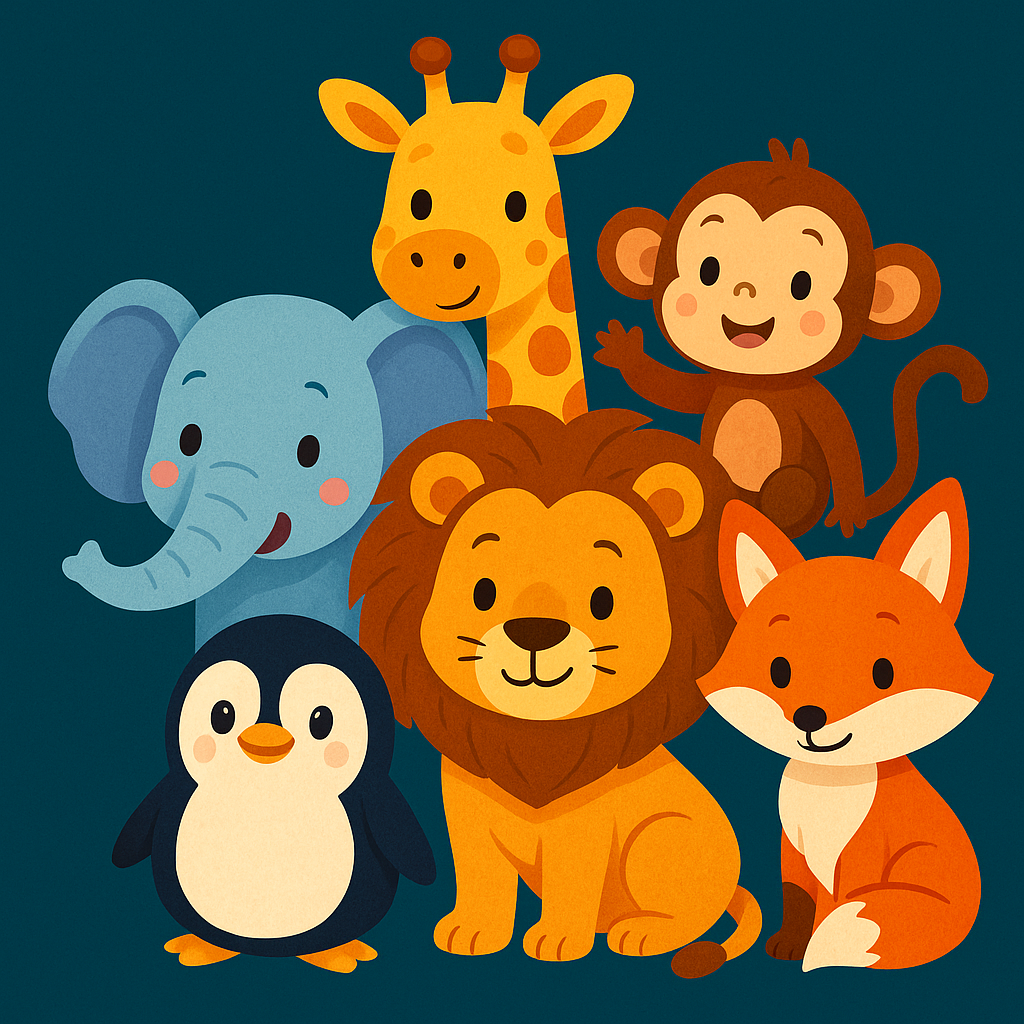
Last week, children explored how animals respond to seasonal changes through migration and hibernation. These are behaviors animals use to survive when conditions change. This weekwe’re going to expand on that knowledge to focus on how animals are built.
Children will explore animal adaptations, both physical and behavioral traits, that help them
survive in specific environments. Children will investigate features such as camouflage, speed, claws, beaks, and body coverings. They will examine how these traits match environmental conditions and help animals find food, stay safe, and reproduce. They will also compare temporary responses (like migration) with long-term adaptations that develop over time.

Last week, children explored how animals survive through adaptations or the traits and
behaviors that help them fit in their environment. This week, they shift their focus to humans and how we actively build strength, skill, and endurance over time.
Children will investigate how exercise affects the body, including muscles, the heart, lungs, and energy use. They will explore different types of exercise (e.g., strength, endurance, and
flexibility) and how each contributes to overall health. They will connect back to earlier learning
about food and energy, recognizing that the body needs fuel to move and grow
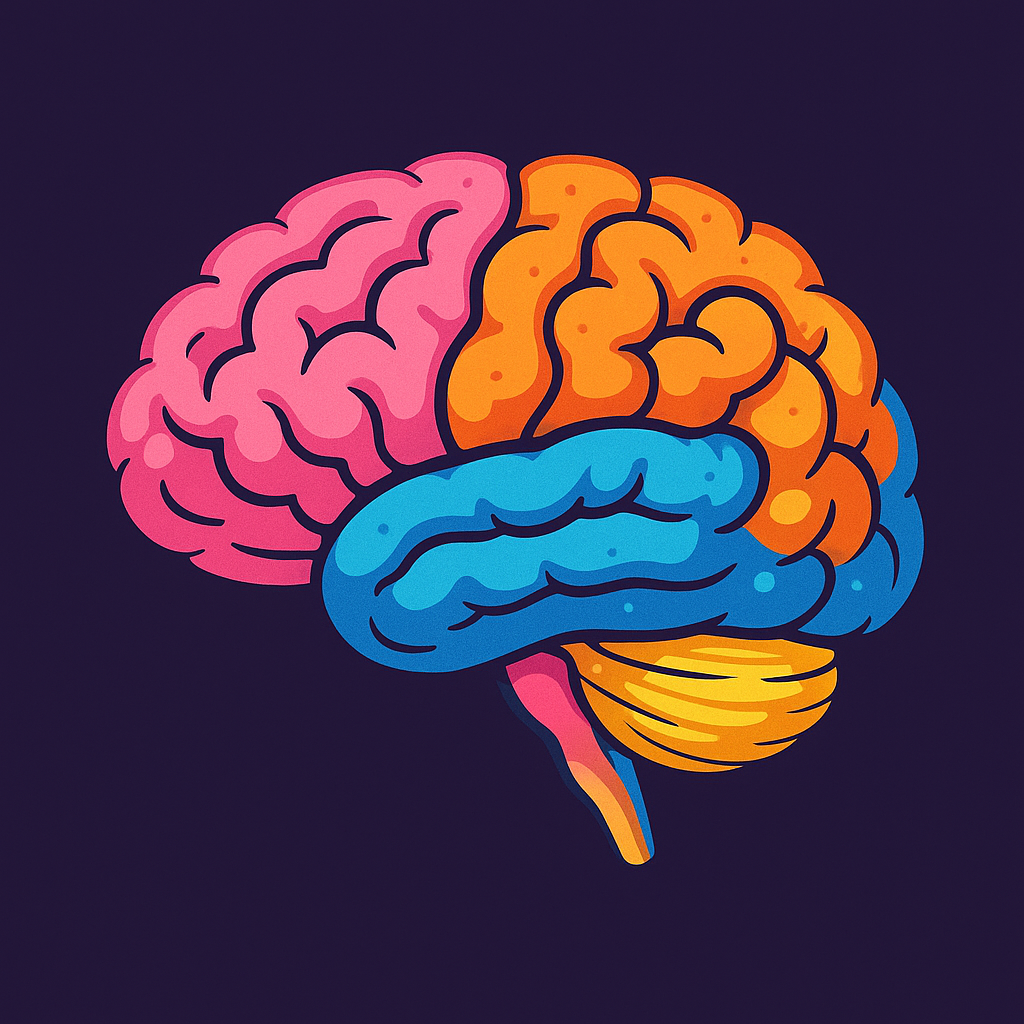
Last week, children explored how their bodies grow stronger through exercise and sports. This
week, they turn their attention inward to the brain, which makes learning, thinking, and
wondering possible.
Children will explore the brain as a network of connections that grows and changes over time.
They will be introduced to neurons and pathways, noticing how repetition strengthens
connections and how new learning builds on what they already know.
Across the week, children will connect physical growth (exercise) to mental growth (learning),
recognizing that just like muscles, the brain strengthens through use. They will explore attention, memory, and emotion, and how each plays a role in learning. By the end of the week, children will understand that their brains are constantly changing and that curiosity, effort, and experience help them grow.
This final week is designed as a celebration of curiosity, knowledge, growth, and connection.
Instead of introducing new content, children revisit the ideas, experiences, questions, and
discoveries that shaped their year of knowledge. Throughout the curriculum, students explored
how systems work, how patterns repeat, how living things adapt, how humans create meaning
and value, and how knowledge grows through observation, conversation, experimentation, and
reflection.
This week children look backward in order to look forward. What ideas stayed with them? Which
topics sparked the biggest questions? What connections can they now see between subjects that
once felt unrelated? How did their understanding change over time?
They will then create a final showcase project that tells the story of their learning journey. Rather
than focusing only on “what they know,” the showcase emphasizes:
● What they became curious about
● How they investigated ideas
● What helped them understand
● How different topics connected together
● What questions still remain
The goal is to help children see learning not as a
checklist of completed topics, but as an ongoing
process of wondering, connecting, revising, and
growing.
We'll be adding new lessons each week so join our community and get notified when we release new curriculum and share other useful information!
Join the Knowledge Builders Club for Families Facebook Group.
Join the club